Introduction
Reiki, a Japanese recovery technique, has acquired tremendous popularity in the last few years. Professionals believe that it harnesses the universal life force energy to promote physical, psychological, and spiritual healing. Central to the practice of Reiki are its sacred signs, which hold deep significance and power. In this short article, we will check out the hidden meanings behind these symbols and clarified their significance in the world of energy healing.
Decoding the Sacred Signs of Reiki: Revealing Their Surprise Meanings
Reiki specialists utilize numerous symbols throughout their healing sessions to boost the flow of energy and unlock specific elements of healing. Let's look into each sign and reveal its covert meaning.
1. The Cho Ku Rei Symbol: Enhancing Energy
The very first sign we will check out is known as Cho Ku Rei or the Power Sign. It resembles a coil and is used to amplify energy. This symbol acts as a switch, allowing professionals to switch on or off the circulation of Reiki energy. Its covert significance depends on its ability to focus and magnify the recovery energy directed towards a particular location or intention.
2. The Sei He Ki Sign: Emotional Healing
Next, we have the Sei He Ki sign, likewise called the Mental/Emotional Symbol. Represented by two mirrored S-shaped lines, this symbol is utilized for emotional recovery and mental balance. Its concealed meaning lies in its ability to bring consistency between the conscious and subconscious mind, helping individuals release psychological clogs and accomplish inner peace.

3. The Hon Sha Ze Sho Nen Symbol: Distance Healing
The third symbol we will check out is Hon Sha Ze Sho remote energy healing Nen or the Range Healing Symbol. This sign consists of three vertical lines intersected by a horizontal line with loops at each end. Its surprise meaning depends on its capability to transcend time and space, allowing professionals to send recovery energy to people in the past, present, or future. It is an effective tool for far-off healing and connecting with individuals who are not physically present.
4. The Dai Ko Myo Symbol: Enlightenment
The Dai Ko Myo symbol, likewise called the Master Sign, holds the greatest vibration amongst the Reiki signs. It represents knowledge and spiritual awakening. Its covert significance lies in its ability to connect people with their greater selves, assisting in deep spiritual improvement and growth.
5. The Raku Sign: Grounding
The Raku symbol is not typically considered a part of Reiki's core symbols however is typically utilized in conjunction with them. Represented by a horizontal zigzag line, it serves as a grounding symbol. Its concealed significance lies in its ability to anchor the energy received during a Reiki session into the physique, promoting balance and stability.
Reiki Hand Positions: Channeling Energy with Precision
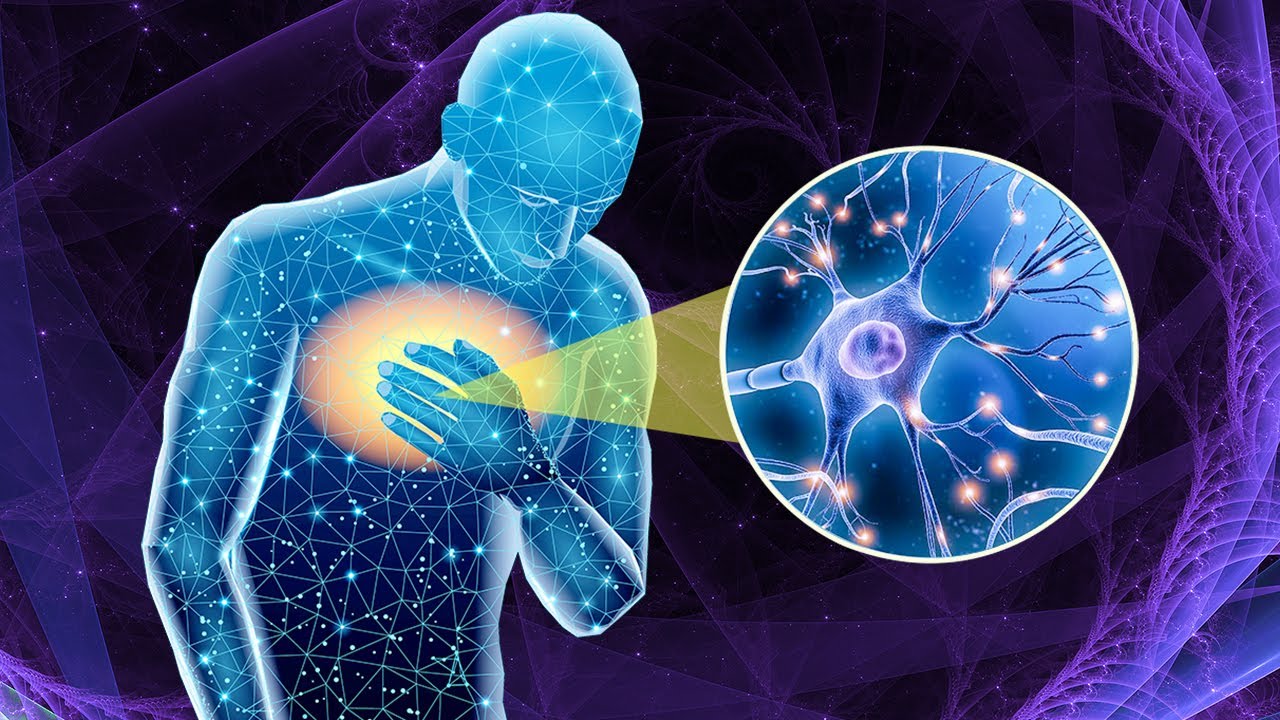
In addition to making use of sacred signs, Reiki professionals likewise utilize specific hand positions to funnel energy with precision. These hand positions correspond to various areas of the body and enable extensive healing.
Head Position: Placing hands on the crown of the head assists stabilize energy and promote mental clarity. Third Eye Position: By placing hands on the forehead between the eyebrows, specialists improve instinct and promote spiritual insight. Throat Position: Positioning hands on the throat area aids in interaction and expression of emotions. Heart Position: The heart position promotes love, compassion, and emotional healing. Solar Plexus Position: By placing hands on the upper abdominal area, practitioners promote individual power and confidence. Sacral Position: Positioning hands on the lower abdomen supports innovative energy and emotional well-being. Root Position: The root position involves putting hands on the pelvic location to promote grounding and stability.These are just a few examples of the different hand positions made use of in Reiki. Each position corresponds to a particular energy center and contributes to total balance and wellness.
Reiki Signs: A Much Deeper Dive into Their Origins
To really understand the covert meanings behind the sacred signs of Reiki, it is vital to explore their historic origins. The signs utilized in Reiki can be traced back to Mikao Usui, the founder of the Usui System of Reiki. Usui reportedly got these signs throughout a spiritual awakening on Mount Kurama in Japan.
The History of Reiki Symbols
The history of Reiki symbols dates back to the early 20th century when Mikao Usui established the Usui System of Reiki. While there are variations in how symbols are taught and used among different Reiki lineages, the core signs have actually remained mainly consistent.
The Development of Symbolic Meanings
Over time, the symbolic significances credited to each symbol might have developed or been analyzed in a different way by various professionals. It is important to note that individual analyses might vary, as significance typically holds individual significance based upon one's experiences and beliefs.
Reiki Energy: Comprehending the Flow of Universal Life Force Energy
At the heart of Reiki lies its basic principle of utilizing universal life force energy. This energy streams through all living beings and is thought to be accountable for maintaining physical, psychological, and spiritual well-being. Understanding the circulation of this energy is vital for practicing Reiki effectively.
What is Universal Life Force Energy?
Universal life force energy, typically referred to as Ki or Chi in different cultures, is the essential life force that penetrates whatever out there. It is this energy that permits plants to grow, hearts to beat, and bodies to heal. In Reiki, practitioners transport this energy through their hands to facilitate healing.
How Does Reiki Energy Work?
Reiki energy works by harmonizing and balancing the energy centers, or chakras, within the body. When these chakras are obstructed or imbalanced, it can manifest as physical or psychological ailments. By channeling Reiki energy, practitioners help eliminate blockages and bring back the natural circulation of energy, promoting recovery on all levels.
Reiki Levels: Advancing on the Course of Healing
As people dive much deeper into their Reiki practice, they advance through different levels or degrees of attunement. Each level deepens their connection to Reiki energy and expands their ability to channel and use its recovery properties.
Reiki Level 1: Foundation of Self-Healing
Reiki Level 1, likewise referred to as the First Degree, concentrates on self-healing. At this level, individuals find out the standard hand positions and strategies for conducting a self-treatment. They also get their very first attunement, which opens them to the flow of Reiki energy.
Reiki Level 2: Broadening Healing Abilities
Reiki Level 2, likewise referred to as the 2nd Degree, builds upon the foundation developed in Level 1. At this phase, specialists discover sacred signs and their applications for far-off healing. They receive further attunements that boost their ability to carry energy beyond physical proximity.
Reiki Master Levels: Deepening Proficiency and Mentor Others
Beyond Level 2, there are different Master levels in Reiki that individuals can pick Energy Healing to pursue. These levels focus on deepening mastery and expanding mentor abilities. The journey towards ending up being a Reiki Master is frequently considered as a long-lasting dedication to individual growth and spiritual development.
Energy Healing: Exploring Alternative Modalities
While Reiki is a prominent type of energy recovery, various other methods exist that harness the power of universal life force energy for healing functions. Let's explore some alternative energy healing practices:
Pranic Healing: Pranic Recovery uses the manipulation of energy fields to eliminate obstructions and promote healing. ThetaHealing: ThetaHealing includes meditation and prayer to access the theta brainwave state and facilitate recovery on all levels. Crystal Healing: Crystal Recovery includes positioning crystals on or around the body to stabilize energy centers and promote holistic healing. Sound Healing: Sound Recovery uses different sound frequencies, such as singing bowls or tuning forks, to restore harmony and balance within the body. Reconnective Healing: Reconnective Healing focuses on accessing a spectrum of healing frequencies that help with the restoration of physical, emotional, and spiritual wellness.These techniques, together with Reiki, provide individuals a large range of options for exploring and experiencing the profound advantages of energy healing.
FAQs About Translating the Spiritual Symbols of Reiki: Uncovering Their Hidden Meanings
1. What is the significance of the spiritual signs in Reiki?
The spiritual signs in Reiki hold deep significance and power. They function as keys that open specific aspects of healing and boost the flow of energy throughout a Reiki session.
2. Can anyone learn to decipher the symbols' surprise meanings?
Yes, anyone can discover to decipher the surprise significances behind Reiki signs with correct training and practice. It requires an understanding of their historic origins, personal interpretation, and connection to universal life force energy.
3. Are there different interpretations for each symbol?
Yes, various specialists may have differing analyses for each sign based on their experiences and beliefs. Significance frequently holds individual significance that resonates with a person's special journey.
4. How do Reiki hand positions contribute to healing?
Reiki hand positions represent different areas of the body and energy centers, enabling practitioners to direct energy with precision. Each position promotes balance, healing, and total well-being.
5. Is Reiki the only type of energy healing?
No, Reiki is simply one of many forms of energy healing. Other modalities, such as Pranic Healing, ThetaHealing, Crystal Healing, Sound Healing, and Reconnective Healing, also harness the power of universal life force energy for recovery purposes.
6. What are the advantages of decoding the spiritual signs of Reiki?
Decoding the spiritual symbols of Reiki allows practitioners to deepen their understanding and connection to the healing art. It boosts their capability to funnel energy successfully and promotes holistic healing on all levels.
Conclusion
Decoding the sacred symbols of Reiki reveals their surprise significances and supplies specialists with a much deeper understanding of this effective healing method. These symbols serve as gateways to specific aspects of recovery and spiritual development. By exploring each sign's significance, specialists can open the complete potential of Reiki's transformative energy. Through continued practice and research study, one can start a profound journey towards self-discovery, healing, and spiritual awakening.