Introduction
In today's fast-paced and demanding world, keeping psychological health and emotional wellbeing has become more crucial than ever. Individuals are constantly looking for methods to minimize stress, stress and anxiety, and depression, and to find inner peace and balance. One practice that has actually gotten substantial attention over the last few years for its potential advantages in this location is Reiki. In this short article, we will delve into the impact of Reiki on mental health, checking out how it promotes psychological balance and general wellbeing.
Reiki: A Brief History
Before we dive into the effect of Reiki on psychological health, it is very important to understand what Reiki is and its origins. Reiki is a Japanese strategy for tension reduction and relaxation that likewise promotes recovery. It was developed in the early 20th century by Mikao Usui, a Japanese Buddhist monk.
The Origins of Reiki
Reiki draws its roots from ancient healing practices found in different cultures around the world. However, Mikao Usui is credited with discovering the method after a duration of deep meditation on Mount Kurama in Japan. He believed that he had actually Reiki Symbols been approved the capability to channel recovery energy through his hands.
How Does Reiki Work?
Reiki is based upon the concept that all living beings have an energy field or life force streaming through them. This life force energy can become blocked or diminished due to physical or psychological injury, causing imbalances and ultimately manifesting as psychological health issues.
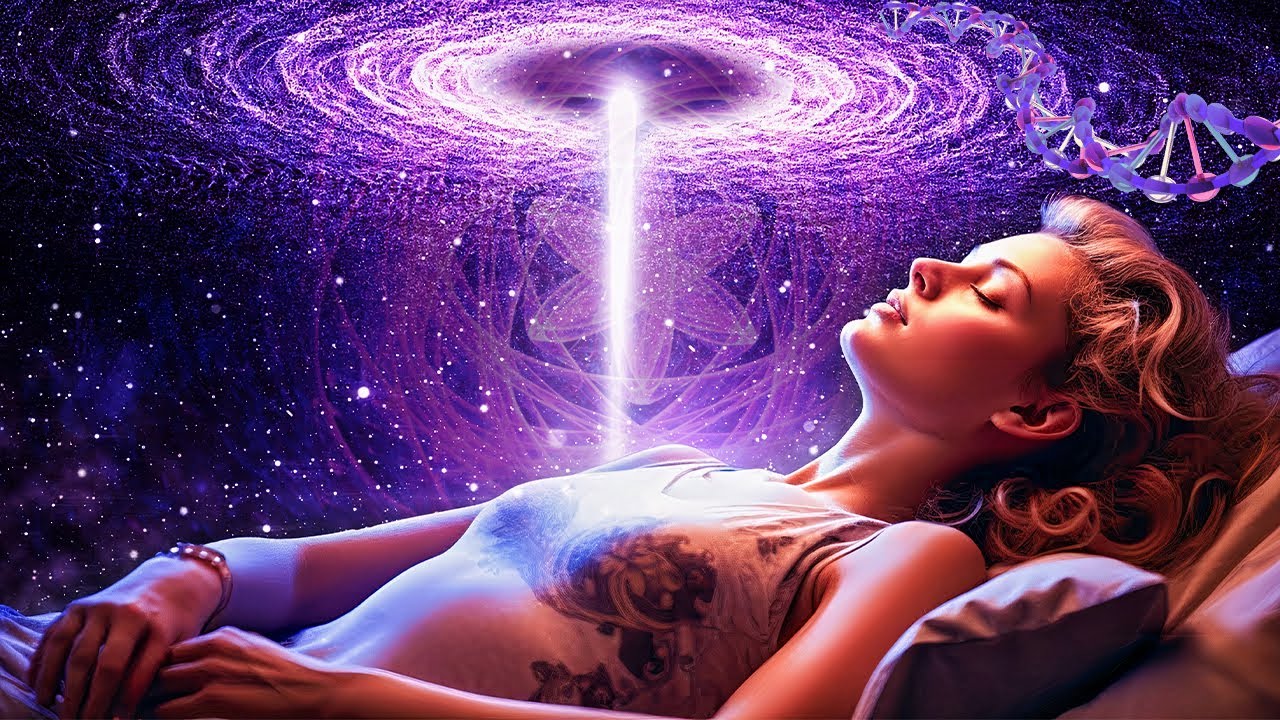
Reiki Energy Healing
During a typical Reiki session, a specialist will use their hands to direct universal life force energy into the recipient's body. By positioning their hands on or near particular areas called "reiki hand positions," they aim to rebalance the energy flow, promoting relaxation and supporting the body's natural recovery processes.
The Role of Signs in Reiki
Symbols play a substantial function in Reiki practice. They are believed to hold particular energies and can be used to magnify the recovery procedure. Reiki specialists might use numerous signs, such as the Cho Ku Rei, Sei He Ki, and Hon Sha Ze Sho Nen, each with its own function and effect.
The Impact of Reiki on Mental Health
Now that we have a standard understanding of Reiki, let's explore how it can positively affect psychological health and promote emotional balance and wellbeing.
Reducing Stress and Anxiety
One of the main advantages of Reiki is its ability to decrease stress and anxiety. Research studies have actually shown that Reiki sessions can substantially decrease cortisol levels, which is the hormone associated with tension. By promoting deep relaxation and activating the body's natural relaxation response, Reiki helps people let go of tension and worry.
Enhancing Psychological Stability
Reiki works holistically, attending to not only physical signs however likewise emotional imbalances. It can assist people acquire better control over their emotions, promoting emotional stability and strength. Through regular practice, people might find themselves much better equipped to deal with challenging circumstances and navigate through life's ups and downs.
Supporting Depression Management
Depression is a complex psychological health condition that impacts millions of people worldwide. While Reiki should not replace professional treatment for depression, it can be used as a complementary therapy to support overall psychological wellness. The deep relaxation induced by Reiki sessions can help minimize depressive symptoms by lowering feelings of sadness and promoting a sense of calm.
Boosting Self-esteem and Confidence
Low self-confidence and lack of confidence can substantially affect one's mental health. Reiki promotes self-awareness and self-acceptance by creating a safe area for individuals to connect with their inner selves. Through routine practice, people may establish a stronger sense of self-worth and self-confidence, leading to enhanced mental wellbeing.
Cultivating Mindfulness
Mindfulness is a practice that includes being fully present in the moment and non-judgmentally observing one's thoughts and sensations. Reiki sessions supply an opportunity for people to enter a deeply relaxed state, facilitating the growing of mindfulness. By focusing on the present moment during a session, people can enhance their capability to stay grounded and focused in their daily lives.

Improving Sleep Quality
Sleep plays an important role in keeping excellent psychological health. Nevertheless, many people struggle with sleep-related concerns such as sleeping disorders or bad sleep quality. Reiki can help promote better sleep by lowering stress and inducing relaxation. Routine Reiki sessions might enhance sleep patterns, enabling people to get up sensation refreshed and rejuvenated.

FAQ
Can anybody learn Reiki?- Yes, anybody can learn Reiki. It does not need any special capabilities or previous experience. There are different levels of Reiki training, starting from Level 1 to Master level.
- Reiki is generally divided into three levels: Level 1, Level 2, and the Master level. Each level builds on the previous one, deepening the professional's understanding and capability to work with Reiki energy.
- Yes, there specify hand positions in Reiki that specialists utilize during a session. These hand positions correspond to different locations of the body and objective to balance the flow of energy.
- Some typical Reiki signs consist of the Cho Ku Rei symbol for power and protection, the Sei He Ki sign for psychological recovery, and the Hon Sha Ze Sho Nen symbol for distance healing.
- Yes, Reiki is considered a type of energy healing. It works by funneling universal life force energy through the practitioner's hands to promote recovery and balance.
- A typical Reiki session lasts around 60 to 90 minutes. Nevertheless, the duration might vary depending on the practitioner and the needs of the recipient.
Conclusion
Reiki uses a holistic technique to mental health and emotional wellbeing. By promoting relaxation, lowering stress, and rebalancing energy, it can have a profound influence on one's mindset. While Reiki should not replace professional treatment for mental health conditions, it can be utilized as a complementary treatment to support overall emotional balance and health and wellbeing. Whether you are looking for remedy for tension, anxiety, or depression, or simply want to enhance your general mental health, checking out Reiki's impact on psychological health Energy Healing deserves considering. So why not offer it a shot and experience the potential benefits for yourself?